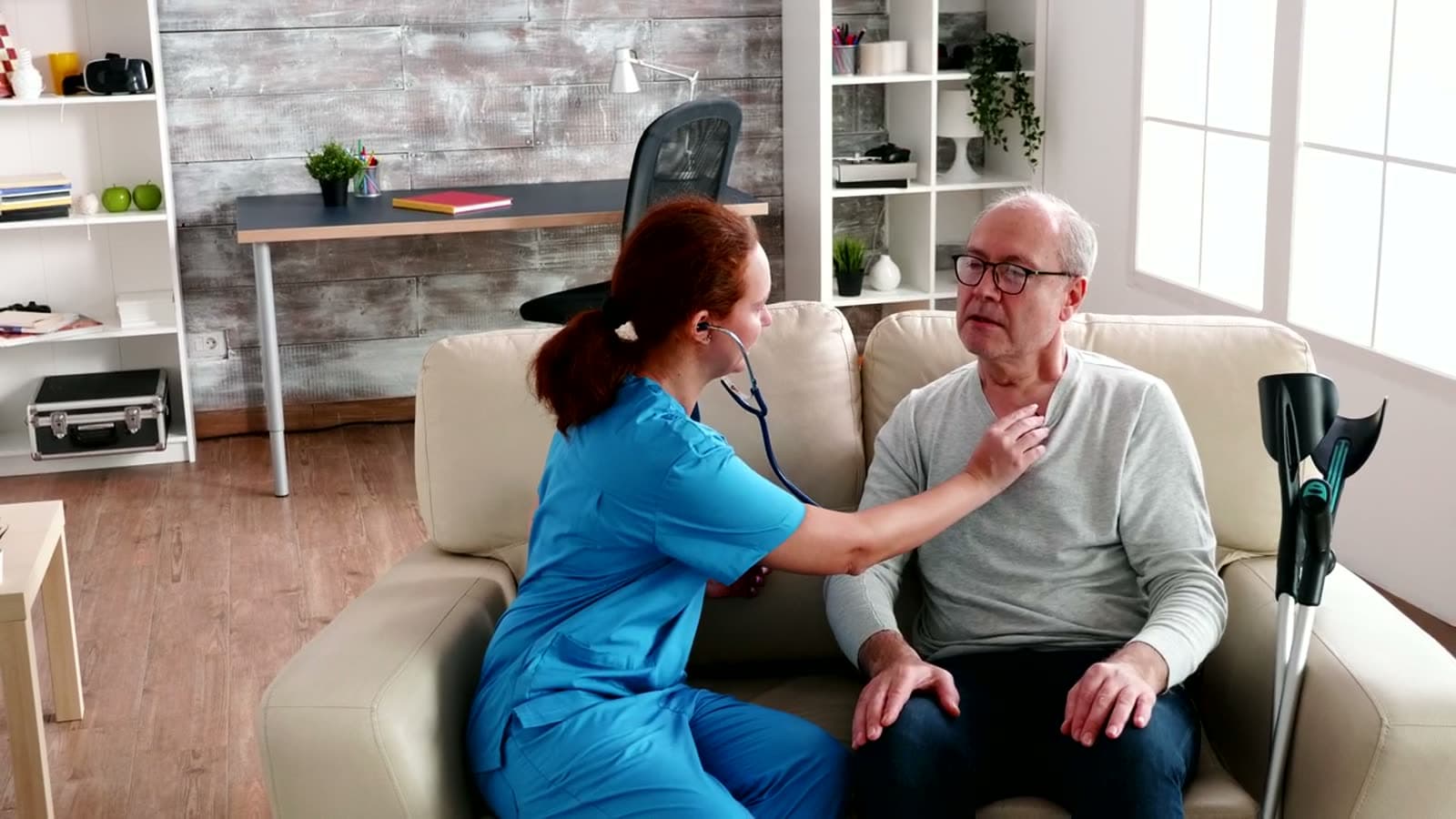

Most practices do not outsource because the phone rings too much. They outsource because of what happens to the calls nobody answers.
Where an in-house team works well
A front desk that knows your patients by name is hard to replace. For a single-location practice with predictable volume and one language, in-house is often the right answer.
Where it breaks
- Calls after hours reach voicemail
- Follow-up between visits happens only when someone has time
- A patient who speaks another language waits for whoever is on shift
- Flu season, a new location or a sudden surge means hiring you cannot undo
What the outsourced model changes
Coverage stops depending on headcount. Capacity moves with demand the same week, calls are answered around the clock in the language the patient thinks in, and every contact ends resolved, scheduled or documented.
The cost question
Practices do see operating costs fall when this work moves to a shared-services model, but that is a side effect. We are measured on patients reached. The specific numbers for your volume come out of the free consultation.